
You slide open the top of your hive on a crisp morning, letting sunlight spill onto the frames. The air feels charged with quiet energy, as if every buzzing worker is sharing a secret. Then you notice something that tugs at your intuition: the brood pattern looks irregular, the cells forming a patchy mosaic instead of tidy clusters. This may be one of the earliest signs of a failing queen bee. But what exactly should you look for, and how do you help your colony bounce back? Let’s explore.
Understand your queen’s role
Your queen isn’t just another member of the hive. She’s its pulse, setting the colony’s rhythm by laying all the fertilized eggs that become worker bees. Healthy populations depend heavily on her performance, and her presence influences everything from brood production to overall behavior. If you’re curious about the day-to-day impact a queen has on her colony, the Modern Beekeeper’s Guide to Queen Bee Success discusses what a healthy queen can do for the colony.
When the queen thrives, your colony stands a strong chance of thriving as well. Her pheromones signal unity, telling workers, “All’s well, stick to your tasks.” But if her pheromone output weakens or her egg laying staggers, the entire colony feels the disruption. Brood levels dip, workers lose focus, and soon you find dwindling forager numbers. A once-bustling hive gradually slips into decline.
Spot early failing signs
Recognizing trouble as soon as possible gives you the best chance to intervene before a hive spirals downward. Whether it’s the stark hush of the brood box or the presence of multiple queen cells, certain alarms can ring loud if you know what to look for.
Here are some clear signals that your queen might be struggling:
- A “shotgun pattern” of brood. Instead of neat, concentric rings of capped cells, you see scattered empty spaces where the queen skipped cells. These missed cells can point to poor health or old age (Keeping Backyard Bees).
- Overall, low brood volume. Even in late spring, you notice minimal egg production and sparse capped brood, which can indicate biological stress (HoneyBeeHaven).
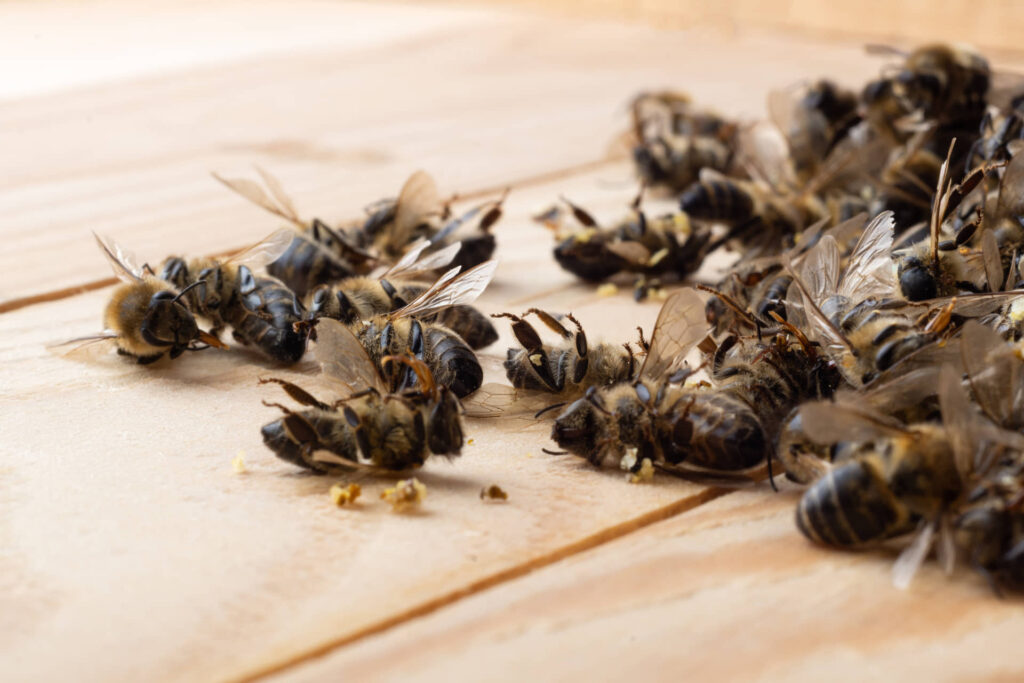
- Unexpected die-offs continuing past winter. If colonies keep collapsing into April, and brood remains scarce, you may be witnessing “queen failure” rather than classic colony collapse disorder (HoneyBeeHaven).
- Spotty or patchy brood frames. Large stretches of cells are empty, while others are randomly capped. This can be traced to poor mating, age, or even environmental pressures (The Apiarist).
Keep a watchful eye on queen cups, too. These small, upside-down, bowl-shaped cells could indicate that the workers are preparing to raise a replacement queen. Simply spotting queen cups doesn’t guarantee that a supersedure is in progress, but if they appear along with the other symptoms above, your bees might be preparing to take action.
Respond to a failing queen
If you confirm that your queen is indeed underperforming, it’s essential to address the issue quickly. The longer a weak queen lingers, the harder it can be for the hive to recover.
- Provide supplemental feeding. Sometimes your bees might seem queenless or sluggish simply because they’re undernourished. Generously feeding sugar syrup or protein patties may encourage a slow-laying queen to pick up her pace (Keeping Backyard Bees).
- Add fresh, uncapped brood frames. If you have another strong hive or a nuc, you can boost your failing colony’s morale by swapping in frames that contain eggs and young brood. This helps sustain the worker population and can sometimes spark improved laying by the existing queen (Keeping Backyard Bees).
- Assess weather impacts. Queens that fail might never have mated properly, particularly if poor weather hindered their mating flights. When rain or cold extends for weeks, you could be dealing with a queen who’s simply not fully fertile. Evaluating these factors helps you decide whether waiting a bit longer might help her improve (Keeping Backyard Bees).
- Plan a requeening strategy. If your queen’s performance remains weak after giving her time, new resources, and adequate nourishment, requeening is often the best step. Some beekeepers introduce a new mated queen from a reputable breeder. Others let the hive raise its own replacement, though this can be riskier if environmental conditions are poor. Carefully consider timing, your colony’s genetic traits, and local climate before deciding how you’ll introduce the new monarch.
Requeening can feel bittersweet. You’re saying goodbye to a queen that’s seen your hive through changing seasons. Yet by ensuring a strong successor, you’re safeguarding your colony’s future. A vigorous new queen typically restarts the brood cycle, bolstering worker populations and improving overall production of honey and pollen.
Watching your queen struggle is never easy, but it’s part of the natural ebb and flow in a bee’s life. When you tune in to the early, subtle warnings—like spottiness in brood patterns, sparse egg laying, or unseasonal die-offs—you gain time to address her health before the entire colony suffers. Supplement feed if necessary, bolster morale with fresh brood, and don’t be afraid to replace a failing queen when the signs of a failing queen bee persist. By acting confidently and promptly, you give those winged residents under your care the best possible chance for a vibrant tomorrow.
Remember, every quiet hum beneath the hive lid tells a story of perseverance and renewal. With each decisive conversation you have with your bees—whether it’s removing an inadequate queen or ushering in a thriving one—you keep that story going, season after season. And by doing so, you become more than just a beekeeper; you become the attentive conductor of a symphony that always values its leading instrumentalist.